How everyday curiosity leads adults toward quieter nicotine alternatives
Curiosity rarely arrives with a clear plan. It usually shows up in ordinary moments. Waiting outside during a short break. Rushing back into a meeting. Noticing the smell on clothes later in the day. These small details plant a thought that stays longer than expected. Somewhere in the middle of that thought, https://nicpouches.com/ often appears as something people notice rather than actively search for.
This kind of curiosity is calm. It is not driven by pressure or urgency. It is simply a question forming quietly in the background.
First exposure without intention to switch
Most people do not discover alternatives while planning a change. They hear about them casually. A colleague mentions something. A friend uses something discreetly. An online page appears during a random scroll.
There is no commitment at this stage. Just awareness. That low pressure exposure makes curiosity feel safe. People observe without needing to act. They take mental notes without labeling it as a decision.
This passive discovery stage matters more than most realize.
How curiosity grows through observation
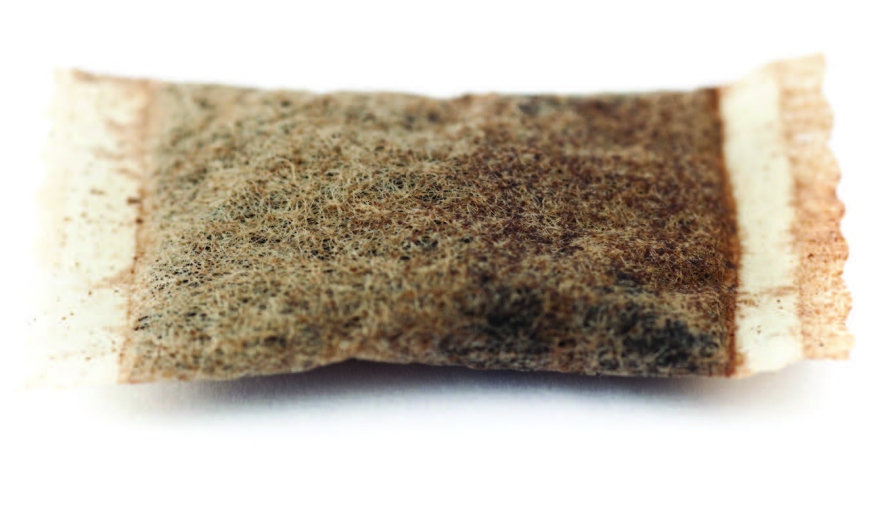
- Watching others stay present without stepping away
- Noticing routines that seem uninterrupted
- Seeing nicotine used without visible effort
- Observing calm use instead of rushed moments
Observation removes fear. When people see something working naturally for someone else, curiosity deepens without resistance.
When interest turns into exploration
Exploration usually begins quietly. Reading without intent. Clicking without urgency. Learning without planning to buy or switch.
At this point, curiosity becomes personal. People start imagining how something might fit into their own routine. Not replacing everything. Just fitting into a specific moment.
This is where curiosity shifts from external to internal.
Why low pressure discovery feels safer
High pressure decisions trigger resistance. Low pressure discovery invites openness. When nothing feels forced, people allow themselves to explore honestly.
There is no feeling of failure if it does not fit. There is no expectation to commit. This mindset keeps curiosity alive instead of shutting it down. That safety makes exploration smoother and more realistic.
From noticing to personal relevance
At some point, curiosity becomes personal. The question changes from what is this to could this fit my day. That shift is subtle but important.
People begin to evaluate comfort, discretion, and ease instead of novelty. This is where thoughtful choices start forming. The habit is no longer abstract. It feels possible.
Many adults arrive at https://nicpouches.com/ not because they planned to change anything, but because curiosity guided them there naturally. That quiet path matters.
When discovery feels gentle, decisions feel honest. And when decisions feel honest, habits are more likely to fit real life rather than fight it.